Hot Mirror
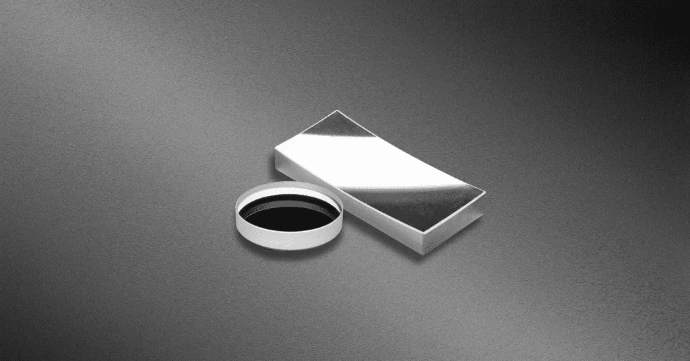
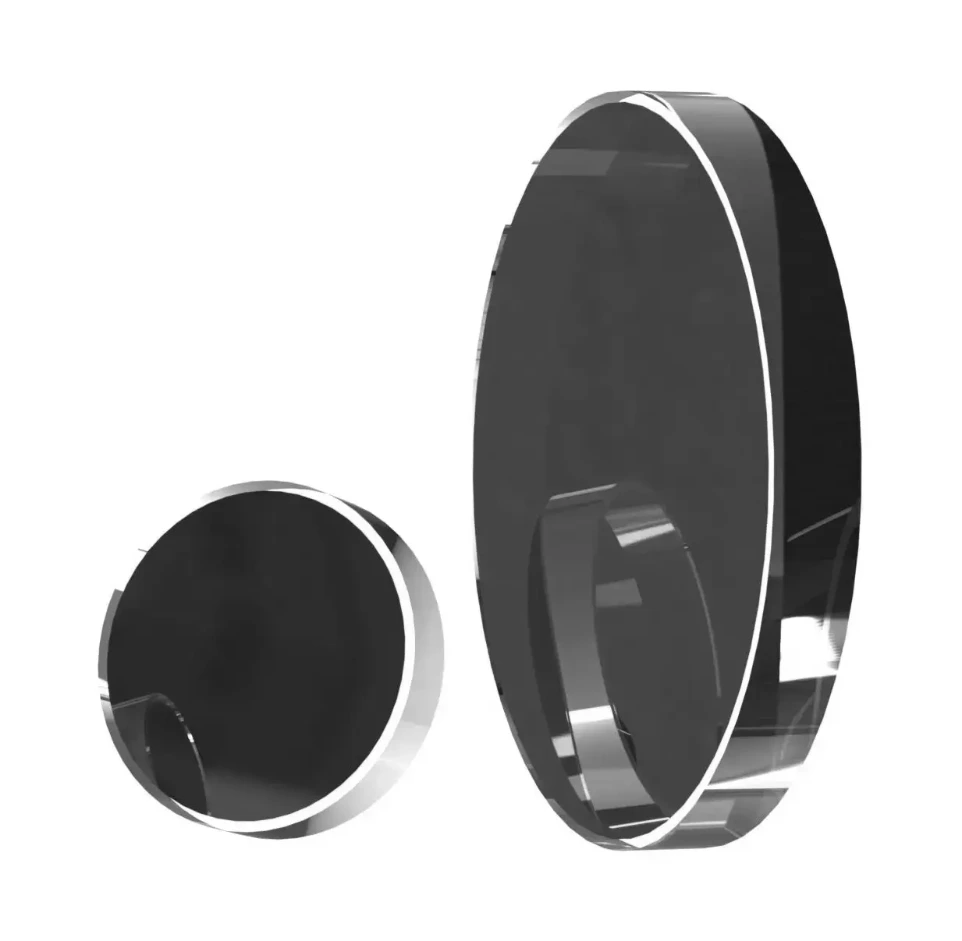
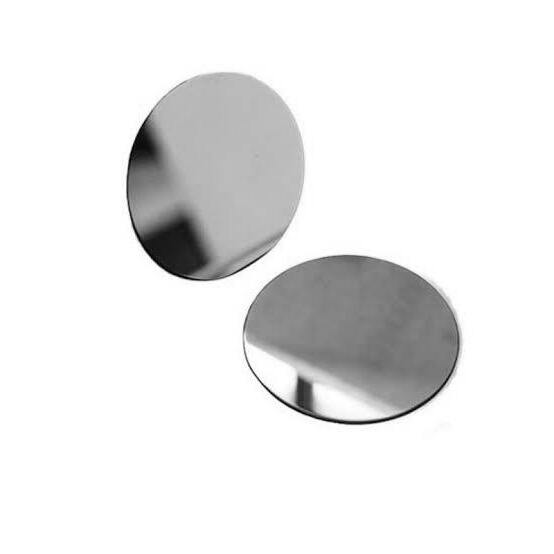
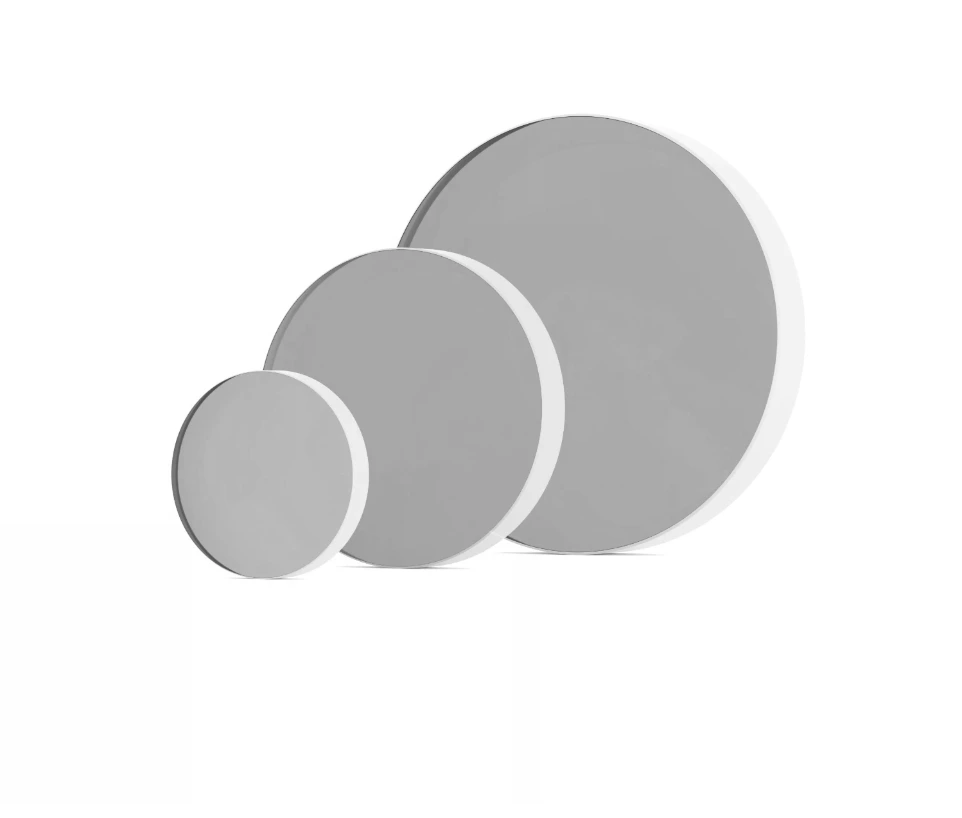
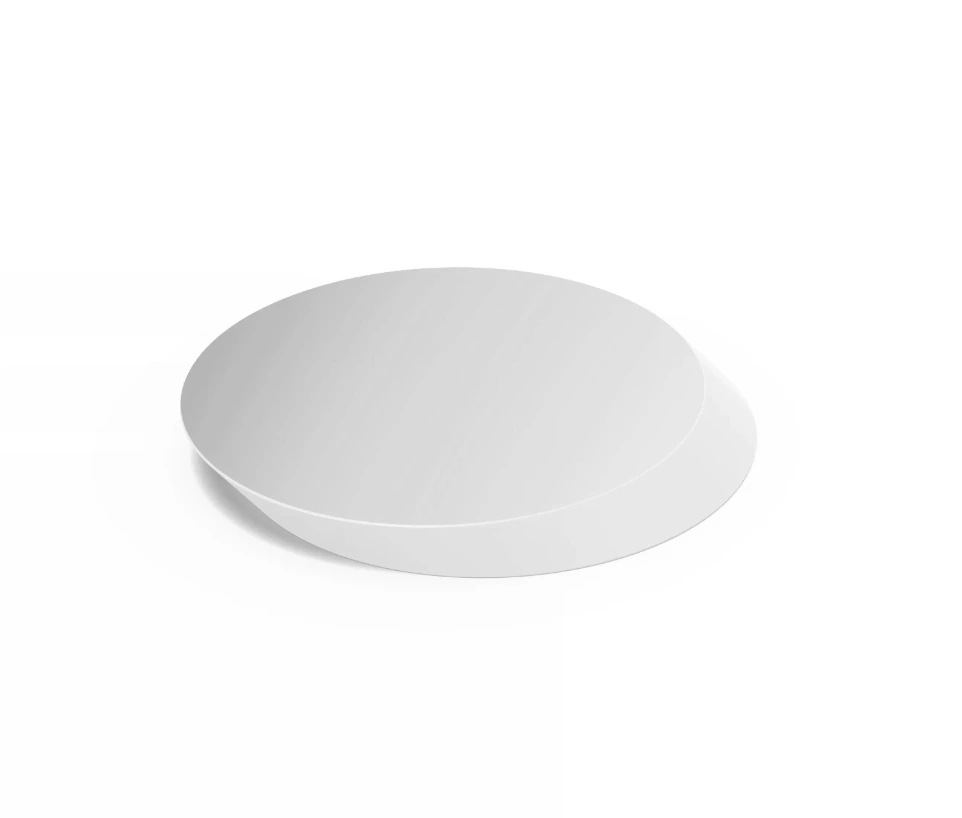
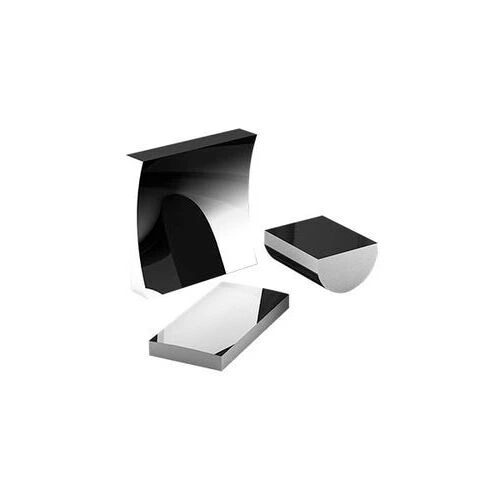
A specialized dichroic mirror that transmits visible light while reflecting infrared radiation — protecting downstream optics, sensors, and materials from heat while passing the visible image unaffected. The standard thermal management element in projectors, illumination systems, and any application where IR heat must be removed from a light beam.
Transmits
Visible (400–700 nm)
Reflects
IR (>700–750 nm)
Function
Heat removal / IR rejection
Coating type
Multilayer dielectric
Overview
- A dichroic mirror engineered specifically to transmit the visible spectrum (400–700 nm) while reflecting infrared radiation (typically above 700–750 nm)
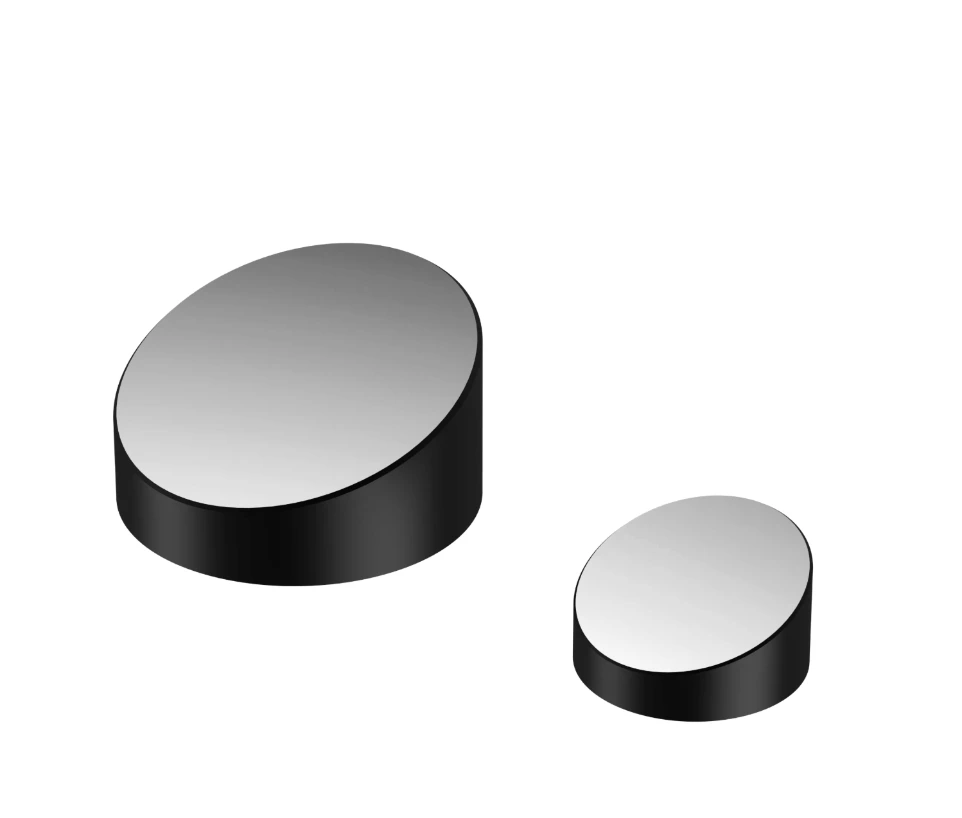
- Used at 45° to redirect the unwanted IR heat away from the main optical path while allowing the visible light to continue undisturbed through the mirror
- Protects heat-sensitive components — LCD panels, photographic film, biological samples, and electronic sensors — from thermal damage caused by IR radiation from high-intensity light sources
- Named "hot" because it reflects the "hot" (infrared/thermal) portion of the spectrum, distinguishing it from the "cold" mirror which has the opposite function
- Commonly used in pairs or combined with absorptive heat-absorbing glass for maximum thermal protection in demanding projection and illumination systems
- Reflectance and transmittance curves are engineered for steep transition edges to maximize both visible transmission efficiency and IR rejection effectiveness
Key Features
Thermal protection for sensitive optics
By reflecting infrared radiation before it reaches downstream components, hot mirrors prevent heat buildup in LCD/LCOS projector panels, photographic and cinema film, biological specimens under microscope illumination, and any other heat-sensitive material or component in the beam path — extending component lifetime and preventing thermal damage.
Full visible transmission
High-quality hot mirrors achieve >90–95% transmission across the full visible spectrum — preserving image brightness and color accuracy in projection and imaging applications while simultaneously rejecting the thermally damaging IR component of the source illumination.
Light source IR rejection
Placed directly in front of high-intensity lamps (xenon arc, halogen, metal halide), hot mirrors strip out the substantial IR fraction of these broadband sources before the light reaches the optical system — since incandescent and arc sources radiate a large fraction of their total power as infrared heat rather than usable visible light.
Compact thermal management
Provides passive, maintenance-free thermal management without the need for active cooling fans or absorptive filters that would themselves absorb energy and require their own thermal management — a more elegant and efficient solution than purely absorptive IR-cut glass for high-power applications.
Design and Construction
Coating design
Spectral performance
- Transmission band: 400–700 nm (visible); typically >90% average transmission
- Reflection band: 750–2500 nm (NIR); typically >90% reflectance
- Edge transition: typically 700–750 nm; steepness engineered for the specific application requirements
Mounting configurations
- 45° mounting — standard for beam-folding heat removal applications
- 0° (normal incidence) — used as a transmissive IR-cut filter when beam folding is not required
Substrate & specifications
Substrate considerations
- Borosilicate or fused silica — withstands the thermal load of high-intensity light sources without cracking
- Thickness selected to balance thermal shock resistance against optical flatness requirements
Performance specifications
- Surface flatness: λ/2 to λ/4 — sufficient for illumination applications; tighter for imaging-path placement
- Damage threshold rated for continuous high-intensity lamp exposure in projector and illuminator applications
Optical Materials
Coating materials
Dielectric stack
- TiO₂/SiO₂ multilayer stack — standard hot mirror coating composition
- Ta₂O₅-based alternatives — used where reduced absorption and higher damage threshold are required for intense lamp applications
Substrate materials
Thermally robust substrates
- Borosilicate glass — standard substrate for general projector and illuminator hot mirrors
- Fused Silica — premium thermal shock resistance for the most demanding high-intensity lamp applications
Wavelength Options
Visible (Transmit)
- 400–700 nm
- >90% transmission
- Color-neutral design
NIR (Reflect)
- 750–1200 nm
- >90% reflectance
- Primary IR rejection band
Extended IR
- 1200–2500 nm
- High reflectance
- Extended heat rejection
Applications
Projection
Digital & cinema projectors
Placed directly after the projector lamp to strip IR heat from the light path before it reaches heat-sensitive LCD, LCOS, or DLP imaging panels — protecting these components from thermal damage while passing the full visible spectrum needed for image projection.
Microscopy
Sample illumination protection
Used in microscope illumination paths to protect live biological specimens, heat-sensitive stains, and fluorescent dyes from thermal damage caused by the IR component of halogen or arc lamp illumination sources.
Photography
Studio & stage lighting
Used in professional photography studio lights and stage lighting fixtures to reduce the heat reaching performers, set materials, and nearby equipment while maintaining full visible light output for proper illumination.
Medical
Endoscopic & surgical illumination
Removes IR heat from endoscope and surgical microscope illumination light sources — preventing thermal damage to tissue near the illuminated field, a critical safety consideration in minimally invasive surgical procedures.
Solar
Solar simulator optics
Used in solar simulator light sources to tailor the spectral output for photovoltaic testing — managing the IR content of xenon arc lamp sources to better match the target solar spectrum while protecting downstream optics.
Industrial
Machine vision illumination
Used in high-intensity machine vision lighting systems to reduce thermal expansion and drift of nearby precision-mounted optics and mechanical components caused by IR heating from the illumination source.
Why choose Hot Mirrors
Passive, maintenance-free protection
Provides continuous thermal protection with no moving parts, no power consumption, and no maintenance — simply reflecting unwanted IR away from the protected optical path.
High visible transmission
Achieves >90% visible transmission while rejecting IR — preserving full image brightness and color fidelity unlike absorptive IR-cut filters that introduce some visible-band loss.
Extends component lifetime
Removing thermal load from downstream LCD panels, samples, and sensitive materials significantly extends their operational lifetime and prevents heat-related failure modes.
Projector industry standard
The established standard thermal management solution in digital and cinema projection systems worldwide — proven reliability across decades of projector design.
Frequently asked questions
Here are some common questions about achromatic lens.
A hot mirror reflects unwanted IR away — the rejected energy does not heat the filter itself significantly, since it's reflected rather than absorbed. An absorptive IR-cut filter (colored glass) absorbs the IR energy, converting it to heat within the filter itself — this can cause the filter to heat up substantially under high-intensity illumination, potentially requiring its own cooling and risking thermal stress cracking at very high power. For high-intensity sources (projector lamps, studio lighting), hot mirrors are generally preferred; for lower-power, cost-sensitive applications, absorptive filters may be sufficient and simpler.
A hot mirror should be placed as close to the light source as practically possible — before the IR energy has a chance to travel further into the system and heat other components, lenses, or housings. In projector designs, the hot mirror is typically positioned immediately after the lamp's condenser optics, before the light reaches the imaging panels. Early placement maximizes the protective benefit for all downstream components.