High-Pressure Window
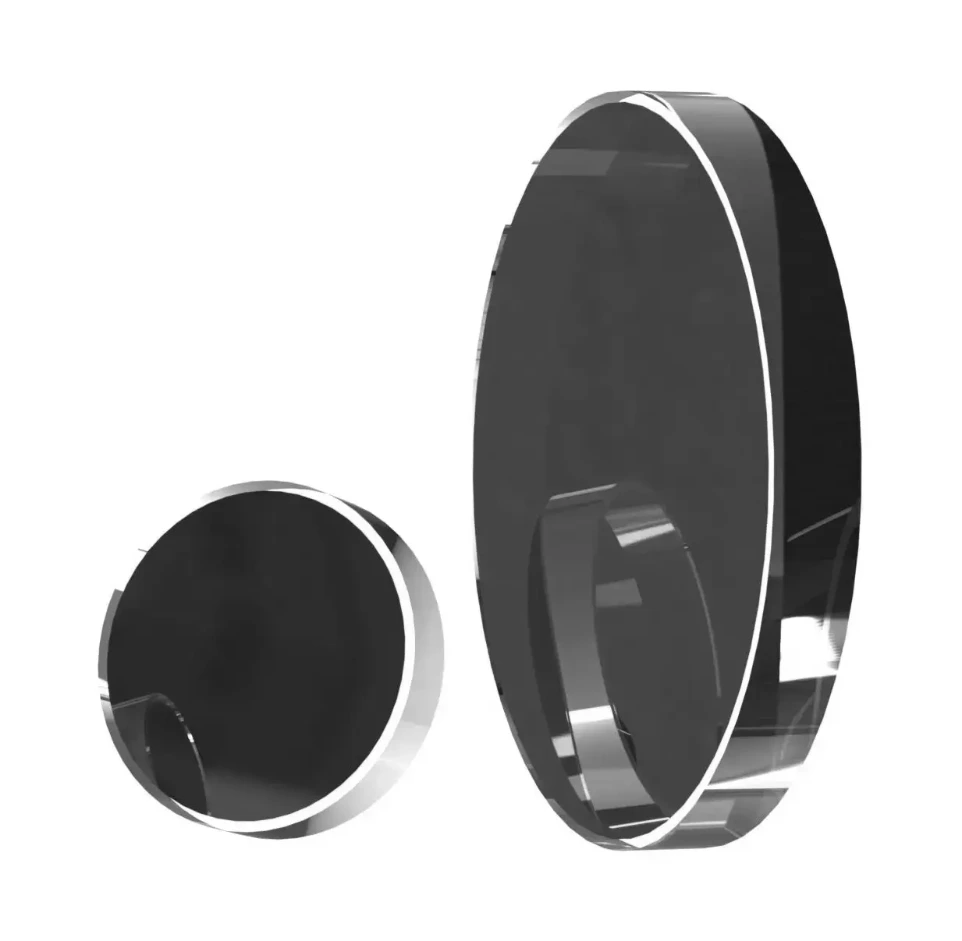
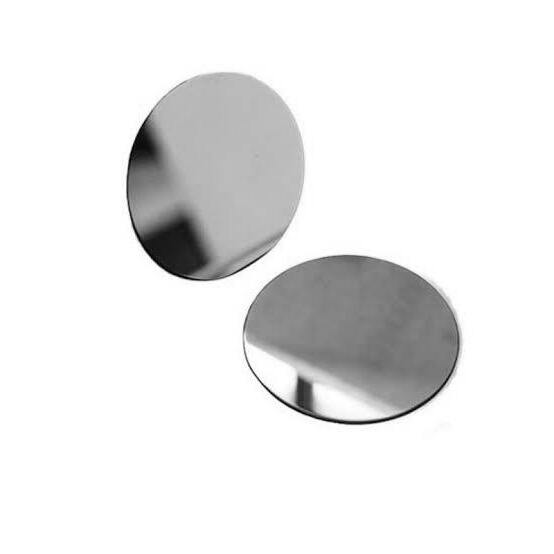
A mechanically reinforced optical window engineered to withstand substantial positive pressure differentials — providing safe optical access into pressurized vessels, reactors, and high-pressure process equipment. The structural counterpart to the vacuum viewport, optimized for inward-facing rather than outward-facing pressure loads.
Pressure range
Up to several thousand PSI
Safety factor
3–5× rated working pressure
Mounting
Compression / retainer flange
Common substrates
Sapphire, fused silica, BK7
Overview
- An optical window designed and mechanically mounted to safely withstand a substantial positive pressure differential — opposite in load direction to a vacuum viewport, which resists atmospheric pressure pushing inward against a vacuum
- Used to provide optical access into pressurized reactors, high-pressure gas cells, hyperbaric chambers, and industrial process vessels operating well above atmospheric pressure
- Window thickness and retention design are engineered together — thicker windows resist bending under pressure load, while compression-style retainer flanges distribute the mechanical load evenly around the window's circumference without introducing stress concentrations
- Sapphire is frequently the material of choice for the most demanding high-pressure applications due to its exceptional compressive strength, hardness, and chemical inertness
- Safety factor design margins (typically 3–5× the maximum rated working pressure) are standard practice, given the catastrophic failure risk of a window breach under high pressure
- Window geometry, edge chamfering, and surface finish are all engineered to minimize stress concentration points that could initiate fracture under sustained or cyclic pressure loading
Key Features
High differential pressure resistance
Engineered with appropriate thickness-to-diameter ratios and mounting geometry to safely withstand pressure differentials ranging from a few atmospheres in process viewing applications up to several thousand PSI in specialized high-pressure reactors and diamond anvil cell windows.
Engineered safety margins
Designed with substantial safety factors (typically 3–5× the maximum rated working pressure) to account for material flaws, fatigue from pressure cycling, and the severe consequences of a sudden window failure under pressure — a critical safety consideration absent from most other optical component categories.
Sapphire for extreme conditions
For the most demanding high-pressure applications, sapphire's exceptional compressive strength (several times that of optical glass), hardness, and chemical resistance make it the material of choice — used in diamond anvil cell windows, hyperbaric viewports, and aggressive chemical process windows.
Stress-optimized mounting
Compression-style retainer flanges and carefully designed edge chamfers distribute the mechanical load evenly around the window's seal perimeter, avoiding the localized stress concentrations that could otherwise initiate cracking at the window edge under sustained or cyclic pressure.
Design and Construction
Mechanical design
Mounting configurations
- Compression retainer flange — window clamped between two gasketed flange halves; standard for moderate to high pressure
- Threaded retainer ring — provides controlled, even compressive preload around the window edge
- Conical or beveled seat designs — used in extreme pressure applications to convert pressure load into compressive (rather than tensile) stress in the window
Thickness & diameter relationship
- Window thickness scales with the square root of pressure and the square of unsupported diameter for a given safety factor — larger windows require disproportionately greater thickness at the same pressure rating
- Unsupported (clear aperture) diameter is minimized relative to mounting diameter to reduce required thickness
Sealing & specifications
Sealing methods
- Elastomer O-ring seals — standard for moderate pressure and chemically compatible environments
- Metal gasket seals — used for high-pressure, high-temperature, or aggressive chemical environments where elastomers are unsuitable
Optical & edge specifications
- Surface flatness: λ/4 to λ/10 depending on optical requirement
- Edge chamfer angle and width specifically engineered to minimize edge stress concentration under pressure load
Optical Materials
Standard pressure-rated substrates
Moderate pressure
- N-BK7 — standard glass for moderate-pressure process viewing windows
- Fused Silica — improved thermal shock resistance for combined pressure and temperature applications
High & extreme pressure
- Sapphire — exceptional compressive strength and hardness; the standard material for the highest-pressure windows, diamond anvil cells, and hyperbaric viewports
- Borosilicate / tempered glass — cost-effective option for lower-pressure industrial sight glasses
Specialty applications
Chemically aggressive environments
- Sapphire — outstanding chemical inertness for corrosive process environments under pressure
- CaF₂ — used where UV transmission and moderate pressure resistance are both required
Wavelength Options
UV
- 250–400 nm
- Sapphire / CaF₂
- UV-AR coatings
Visible
- 400–700 nm
- N-BK7 / Sapphire
- BBAR coatings
NIR
- 700–2000 nm
- Fused Silica / Sapphire
- NIR BBAR
MWIR
- 2–5 µm
- Sapphire
- BBAR 3–5 µm
Applications
Industrial
Pressure reactor sight glasses
Provides safe visual and instrumental optical access into pressurized chemical reactors and process vessels for monitoring reaction progress, fluid levels, and process conditions without compromising vessel pressure integrity.
Research
Diamond anvil cell windows
Sapphire windows provide optical access for spectroscopic and diffraction measurements in diamond anvil cell high-pressure physics research, where pressures can reach into the hundreds of thousands of atmospheres.
Medical
Hyperbaric chamber viewports
Provides visual monitoring access into hyperbaric oxygen therapy chambers, allowing medical staff to observe patients during treatment while maintaining the elevated chamber pressure required for therapy.
Oil & Gas
Downhole & subsea instrumentation
Used in downhole logging tools and subsea equipment housings where optical sensors must operate under extreme ambient pressure while remaining protected from the surrounding high-pressure fluid environment.
Aerospace
Pressurized cabin & vessel windows
Used in pressurized test chambers and specialized aerospace vessel applications requiring optical access while maintaining a pressure differential between the internal and external environment.
Food & Beverage
Process & sterilization equipment
Sight glasses in pressurized food processing and sterilization equipment (autoclaves, retort systems) providing visual process monitoring while withstanding repeated pressure and temperature cycling.
Why choose High-Pressure Windows
Engineered for safety
Designed with substantial safety margins specifically to prevent catastrophic failure under sustained or cyclic high-pressure loading — a critical differentiator from standard optical windows.
Sapphire extreme-pressure capability
Sapphire substrate options provide compressive strength far beyond standard optical glass, enabling optical access in the most extreme high-pressure research and industrial applications.
Stress-optimized geometry
Edge chamfer and mounting design specifically engineered to minimize stress concentration — extending fatigue life under repeated pressure cycling.
Broad industrial application range
Serves applications from moderate-pressure process sight glasses to extreme-pressure physics research — a single component category spanning a vast pressure range.
Frequently asked questions
Here are some common questions about achromatic lens.
Window thickness for a given pressure rating is calculated from the maximum bending stress the window will experience under load, which depends on the unsupported (clear aperture) diameter, the pressure differential, the material's modulus of rupture, and the desired safety factor. Standard engineering formulas (such as those in ASME or DIN pressure vessel sight glass standards) relate these variables — generally, thickness increases with the square root of pressure and with the square of unsupported diameter, meaning larger-diameter windows require disproportionately thicker glass for the same pressure rating.
Sapphire has a compressive strength and hardness substantially greater than conventional optical glasses like BK7 or fused silica, allowing thinner windows to handle the same pressure rating, or the same thickness to handle much higher pressure. It is also chemically inert and resistant to most acids, bases, and solvents, making it suitable for aggressive process chemistry under pressure. These properties make sapphire the standard choice for diamond anvil cells, extreme-pressure physics research, and high-pressure chemical process windows where standard optical glass would not provide an adequate safety margin.
Industry standard practice applies a safety factor of 3–5× the maximum expected working pressure when specifying window thickness and rating — wider margins are used for critical safety applications (such as occupied hyperbaric chambers) or where pressure cycling fatigue is a concern, while narrower margins (closer to 3×) may be acceptable for well-controlled, non-cyclic industrial process applications. Always consult the applicable pressure vessel safety code (such as ASME Section VIII) for the specific industry and jurisdiction governing your application.