Sensor Protection Window
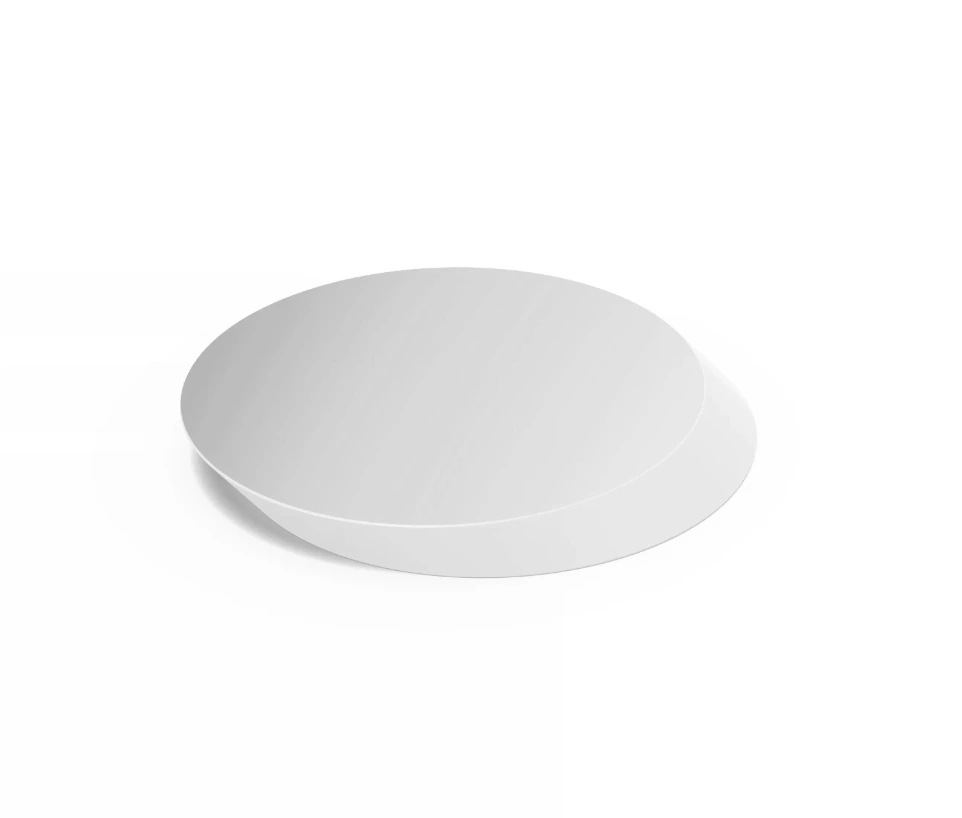
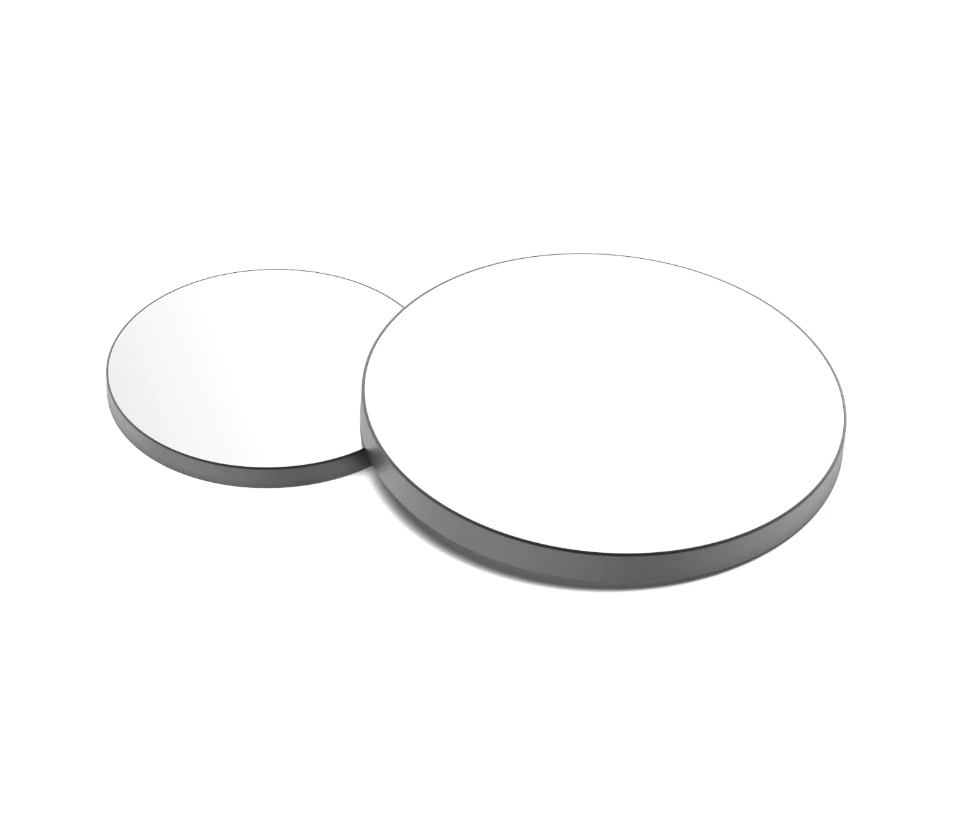
A precision-flat cover window mounted directly over an image sensor, detector, or camera module — sealing the sensitive electronics from dust, moisture, and physical contact while introducing minimal optical disturbance to the imaging path. The first line of defense in every enclosed camera and sensor assembly.
Function
Sensor sealing / dust protection
Typical thickness
0.2–2 mm
Mounting
Direct sensor package bonding
Optical impact
Minimal (thin, AR-coated)
Overview
- A thin, optically flat window mounted directly over an image sensor die, detector array, or camera module aperture — typically bonded as part of the sensor package itself rather than as a separate downstream system component
- Provides a hermetic or near-hermetic barrier protecting the delicate sensor surface and bond wires from dust, moisture, and physical contact during handling, assembly, and operational service life
- Designed to introduce minimal optical disturbance to the imaging path — thin substrate, tight flatness tolerance, and AR coating on both surfaces to preserve image quality and minimize stray reflections (ghosting) within the sensor's optical stack
- Often incorporates specialized coatings beyond simple AR treatment — including IR-cut coatings for color-accurate imaging sensors, anti-static coatings to prevent dust attraction, and hydrophobic/oleophobic coatings for self-cleaning performance in exposed applications
- Critical dimensional and positional tolerances are required since the window sits extremely close to the sensor's photosensitive surface — any contamination, defect, or misalignment directly degrades image quality at the pixel level
- Manufactured to extremely tight cleanliness standards in cleanroom environments, since any particulate trapped between the window and sensor during assembly becomes a permanent visible defect in every captured image
Key Features
Hermetic sensor protection
Seals the image sensor die and bond wires from environmental contaminants — dust particles, moisture, and handling debris — that would otherwise create permanent dead pixels, image artifacts, or electrical failure if allowed direct contact with the sensor surface.
Minimal optical disturbance
Engineered as a thin, highly flat, AR-coated window specifically to minimize its impact on image quality — avoiding the introduction of ghosting, flare, or resolution loss that a poorly specified protective window could cause in a precision imaging system.
Integrated IR-cut filtering
Many sensor cover windows incorporate an IR-cut coating or colored glass IR-blocking layer directly into the protective window — since most silicon image sensors are inherently sensitive well into the near-infrared, this integrated filtering corrects color accuracy without requiring a separate optical element.
Anti-static & anti-smudge coatings
Specialized surface treatments reduce dust attraction through anti-static coatings and resist fingerprints and contamination through hydrophobic/oleophobic coatings — particularly valuable for consumer device cameras and exposed industrial sensor windows that are handled or cleaned frequently.
Design and Construction
Mounting & integration
Package integration methods
- Wafer-level chip-scale packaging — cover glass bonded directly to the sensor wafer before dicing, the most compact and cost-effective method for high-volume sensors
- Ceramic/metal package lid — cover window sealed into a separate package lid that is then attached over the sensor die, common in industrial and scientific camera modules
Cleanliness requirements
- Cleanroom assembly (typically ISO Class 5–7) to prevent particulate contamination between window and sensor
- 100% visual/automated inspection for defects, since any contamination becomes a permanent image artifact
Specifications
Optical & mechanical specifications
- Thickness: typically 0.2–2 mm, minimized to reduce optical path length and weight while maintaining handling strength
- Surface flatness: λ/4 to λ/10 to avoid introducing wavefront distortion at the sensor plane
- Particle/defect specification: tightly controlled (often specified in microns) given the direct proximity to the photosensitive surface
Coating stack options
- BBAR coating — both surfaces, matched to sensor spectral response
- IR-cut coating — integrated color-correction for silicon sensor IR sensitivity
- Anti-static / anti-smudge coatings — for exposed or frequently handled applications
Optical Materials
Standard substrates
General-purpose sensor windows
- Borosilicate glass (e.g. D263, B270) — standard, cost-effective sensor cover glass for consumer and industrial cameras
- Fused Silica — premium applications requiring tighter thermal expansion control and higher UV transmission
Ruggedized substrates
- Chemically strengthened glass (e.g. Gorilla Glass) — high impact and scratch resistance for exposed consumer device camera windows
- Sapphire — extreme scratch resistance for premium consumer or rugged industrial sensor protection windows
IR-blocking integration
Color-correction substrates
- Blue glass (IR-absorbing colored glass) — integrated IR-cut function bonded as a laminate layer or used as the cover glass itself
- Dichroic IR-cut coated glass — thin-film alternative to absorptive blue glass for IR blocking
Wavelength Options
Visible
- 400–700 nm
- Borosilicate / Fused Silica
- BBAR coatings
Visible + IR-cut
- 400–700 nm pass
- Blue glass / IR-cut coat
- Blocks >700 nm
NIR (machine vision)
- 700–1000 nm
- Uncoated / NIR BBAR
- No IR-cut
Applications
Consumer
Smartphone & camera module cover glass
Protects the image sensor in smartphone, tablet, and consumer camera modules from dust and damage during assembly and operational life, while integrated IR-cut and AR coatings preserve color-accurate, high-quality imaging.
Industrial
Machine vision camera sealing
Seals industrial machine vision camera sensors in manufacturing environments exposed to dust, debris, and process contaminants, maintaining sensor longevity and consistent image quality for automated inspection systems.
Automotive
ADAS & in-cabin camera protection
Protects advanced driver-assistance system (ADAS) and in-cabin monitoring camera sensors from the harsh automotive environment, including vibration, temperature extremes, and contamination exposure over the vehicle's service life.
Medical
Endoscope & diagnostic sensor sealing
Provides hermetic sealing for image sensors in medical endoscopes and diagnostic imaging devices, supporting the sterilization and cleaning protocols required for reusable medical instrumentation.
Aerospace
Satellite & drone sensor protection
Seals optical sensors on satellites, drones, and aerospace platforms against the launch environment, thermal cycling, and particulate exposure encountered in flight and space operations.
Scientific
Research camera & detector windows
Provides precision optical sealing for scientific CCD and CMOS detector packages used in research instrumentation, balancing protective function against the stringent optical quality requirements of quantitative scientific imaging.
Why choose Sensor Protection Windows
Pixel-level contamination prevention
Seals the sensor surface from particulate and moisture contamination that would otherwise create permanent, uncorrectable image defects at the pixel level.
Engineered for minimal image impact
Thin, flat, precisely AR-coated design specifically minimizes any optical disturbance to the imaging path — protection without compromising image quality.
Integrated color correction available
IR-cut coating or blue glass options correct the inherent IR sensitivity of silicon sensors directly within the protective window — eliminating the need for a separate filter element.
Scales from consumer to scientific
Available across the full spectrum of cost and performance requirements — from high-volume consumer smartphone cameras to precision scientific research detectors.
Frequently asked questions
Here are some common questions about Sensor Protection Window.
Silicon image sensors used in most consumer and industrial color cameras are inherently sensitive to near-infrared light, well beyond the range of human color vision. Without IR-cut filtering, this extra IR sensitivity would corrupt the color accuracy of captured images — causing colors to appear washed out or shifted, particularly under illumination sources rich in IR content. An integrated IR-cut coating or blue glass layer within the sensor cover window blocks this unwanted IR sensitivity, restoring accurate color reproduction without requiring a separate filter component elsewhere in the optical path.
Because the protective window sits in extremely close proximity to (or is directly bonded onto) the sensor's photosensitive surface, any particulate contamination trapped during assembly becomes permanently visible in every image captured by that sensor for its entire service life — appearing as a dark spot, blur, or artifact at a fixed pixel location. Unlike contamination on a downstream lens element (which is typically out of focus and has minimal image impact), contamination at or very near the sensor plane is in sharp focus and directly visible. This is why sensor window assembly requires stringent cleanroom conditions and thorough inspection.
It depends on the application. Standard color machine vision applications mimicking human color perception benefit from IR-cut filtering for accurate color reproduction, just as consumer cameras do. However, many machine vision and scientific imaging applications deliberately use sensors without IR-cut filtering (or with IR-cut filtering removed) to take advantage of the sensor's extended NIR sensitivity — useful for applications such as low-light imaging, NIR illumination-based inspection, or combined visible/NIR multi-spectral imaging. The choice depends entirely on whether accurate visible color reproduction or extended spectral sensitivity is the priority for the specific application.